Infobip's predictions for 2026
On November 27, 2025, Infobip released its predictions for 2026.
In this report, the company outlines key changes that will shape how businesses interact with customers and improve operations across industries.
AI Agents will handle most customer interactions
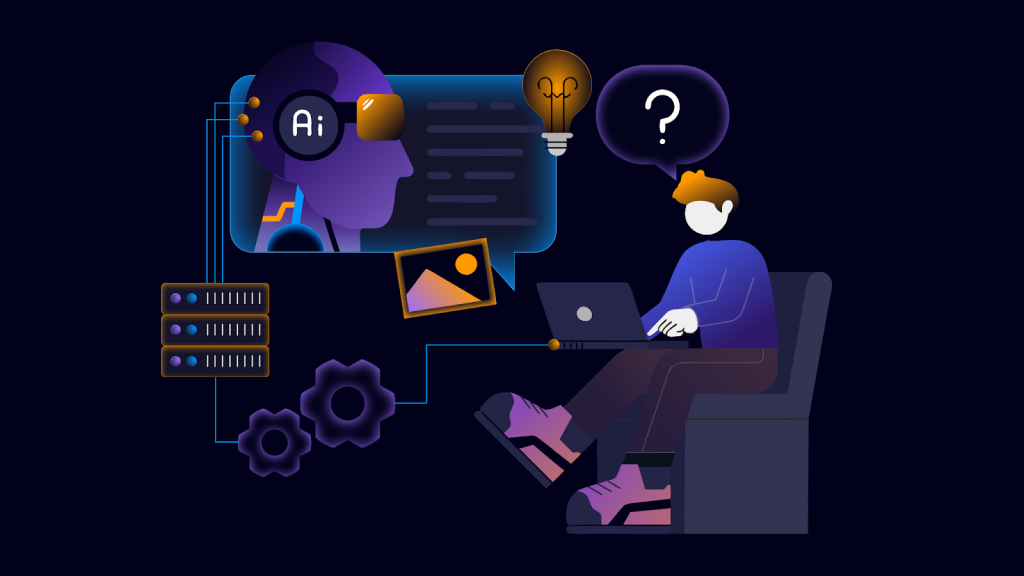
By 2026, as much as 95% of customer inquiries could be managed by AI agents. This shift will provide 24/7 support, quicker responses, and more personalized service without long wait times.
Modern AI agents are evolving beyond simple bots. They engage in natural conversations, understand context, and independently resolve complex issues. Voice bots and chatbots are now collaborating with human agents: technology automates routine requests—like banking inquiries or order tracking in e-commerce—allowing human representatives to tackle more complex cases. This results in faster service for customers and increased efficiency for companies.
Modern AI agents are evolving beyond simple bots. They engage in natural conversations, understand context, and independently resolve complex issues. Voice bots and chatbots are now collaborating with human agents: technology automates routine requests—like banking inquiries or order tracking in e-commerce—allowing human representatives to tackle more complex cases. This results in faster service for customers and increased efficiency for companies.
Superapps and messaging platforms become business hubs
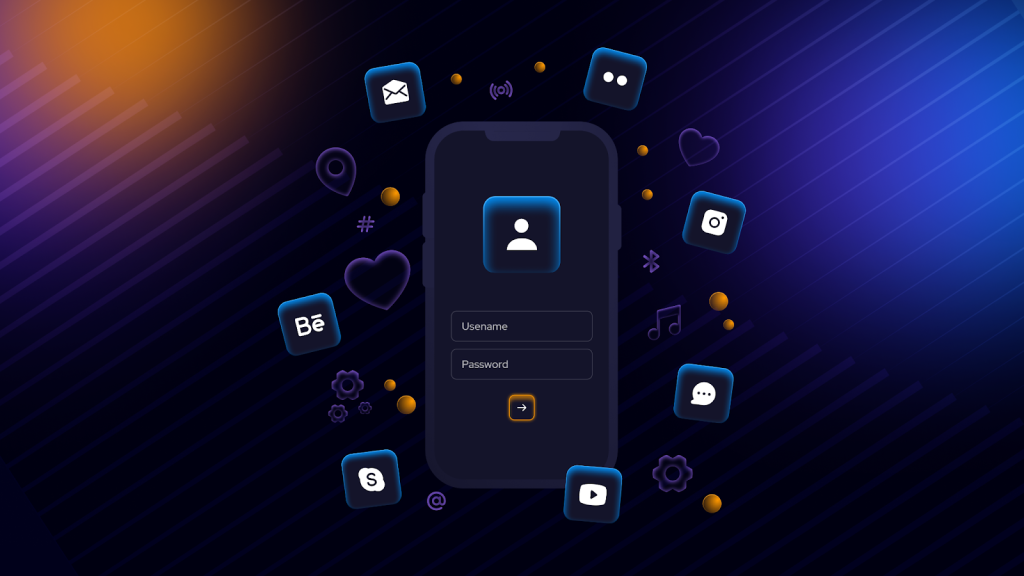
Platforms like WhatsApp and RCS are gradually transforming into superapps: integrated ecosystems that merge communication, marketing, and payments into a single interface. Customers will no longer need to switch between websites and apps; everything will happen directly within the chat.
With RCS, for instance, businesses can create secure, interactive conversations that display product carousels, accept orders, and arrange delivery right within the chat interface.
In healthcare, WhatsApp is already being used for appointment scheduling and payment processing. Messaging platforms are evolving from mere communication tools into comprehensive customer engagement hubs.
Data is STILL the main challenge for AI
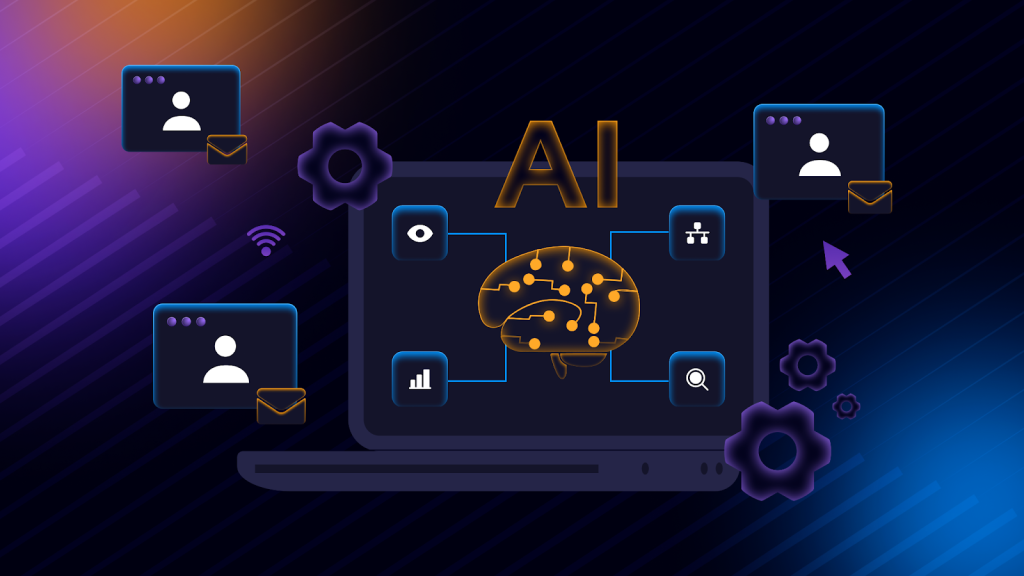
AI is evolving rapidly, but its effectiveness relies heavily on the quality of data. Many companies face obstacles because their data is scattered across various systems, disconnected, and poorly organized.
As a result, there’s a rising interest in not only large, general-purpose AI models but also smaller, specialized models that can operate locally. These solutions provide enhanced data protection and ensure regulatory compliance.For today’s businesses, the challenge isn’t just about adopting AI. It’s about effectively collecting, unifying, and utilizing internal data. This is what transforms automation into a truly intelligent, personalized, and secure experience.
For today’s businesses, the challenge isn’t just about adopting AI. It’s about effectively collecting, unifying, and utilizing internal data. This is what transforms automation into a truly intelligent, personalized, and secure experience.
Infobip’s predictions for 2026 reveal bold changes. AI-driven customer interactions, messaging platforms evolving into superapps, and data-powered automation becoming standard. The roadmap is clear: more automation, deeper integration, and smarter customer journeys.
However, reality often lags behind predictions. Superapps have faced challenges in scaling outside China, where the market dynamics and user habits differ significantly. In many regions, users continue to favor specialized apps over a single unified ecosystem.
The same holds true for AI. While adoption is on the rise, large-scale implementation frequently falls short due to fragmented data, compliance issues, and operational complexities. Technology is advancing rapidly, but execution is the true bottleneck.