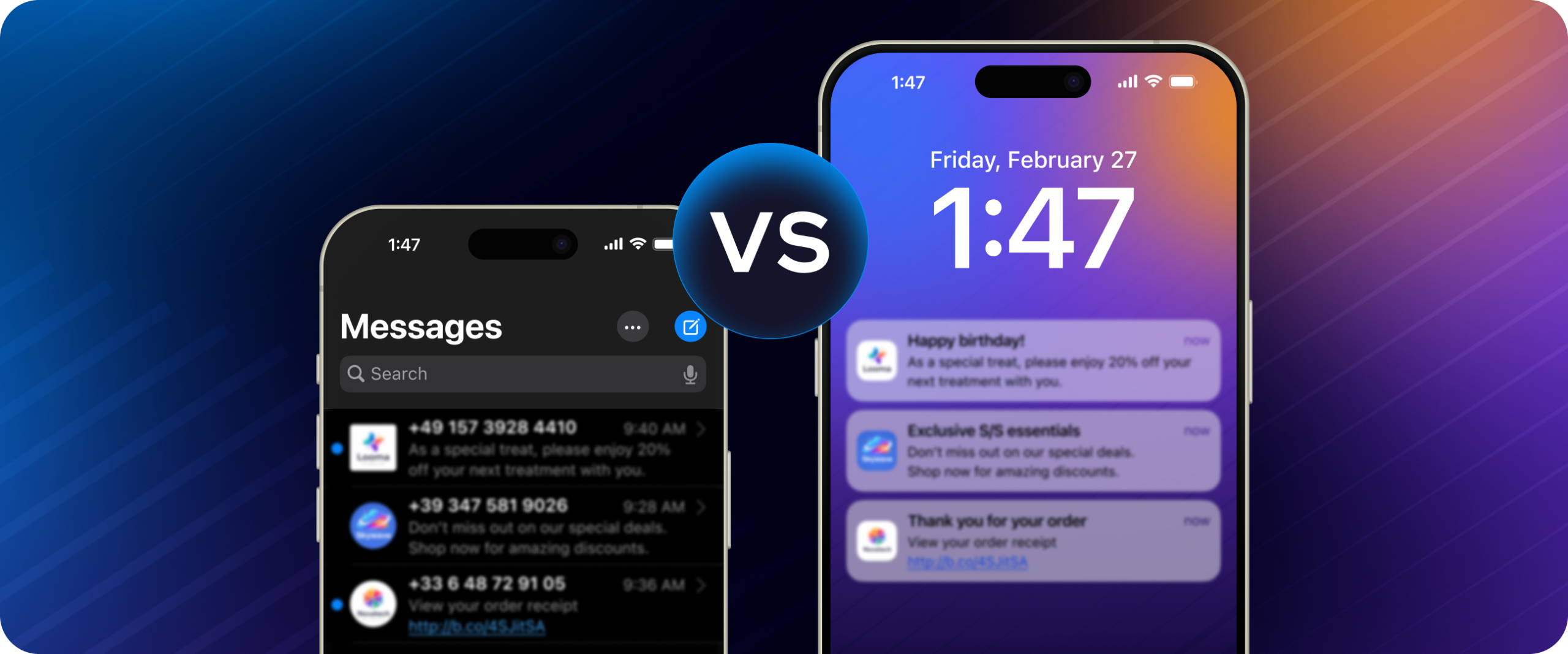
SMS vs. push notifications
You can’t underestimate the impact of mobile outreach if you’re a marketer. It impacts your product growth as well as brand awareness. So, you’ll need the right tool to do the job. While both SMS and push notifications deliver concise, actionable messages to users, they differ in reach and user response rates (AKA conversion). And don’t forget the actual cost of delivering the message. Understanding the differences between push notifications and SMS messages is essential, both for crafting campaigns that connect with audiences and for allocating budgets effectively.
Massiva’s team compares SMS and push notifications based on delivery methods, engagement metrics, costs, and use cases. We know when either SMS or push notifications excel, when they may underperform, and how combining both will enhance results.
Key differences at a glance
Let’s quickly summarize the key differences between SMS and push notifications, along with the factors us marketers consider when choosing a channel.
| Factor | SMS | Push notifications |
| Delivery mechanism | Sent over cellular networks, messages appear in the phone’s native messaging app and work without the Internet. | Sent via an app or browser using an internet connection; users must have your app installed and notifications enabled. |
| Opt‑in requirements | Users must provide a phone number and explicit written consent (e.g., via website form). | Users opt in with a one‑click prompt when installing an app or visiting a website. |
| Open rate | About 98% of SMS messages are eventually opened, and 90% are read within 30 minutes. Some studies estimate open rates between 95% and 98%, with click‑through rates of 19-35%. | Average open rates hover around 4%, though top performers can reach up to 90%. Industry‑specific open rates range from 1.8% to 5.5%. |
| Visibility & user control | Messages stay at the top of the inbox and can be saved or replied to; users have limited preference controls beyond opting in or out. | Appear as banners or badges and can be swiped away; users can customize notification settings or turn off them. |
| Content & interactivity | Text‑only (160 characters per message), links are supported and two‑way communication is possible. | Supports rich media (images, GIFs, buttons) and deep links that take users directly into the app. |
| Cost | Usually priced per message (~$0.015–$0.05 in the US) and subject to strict regulations (GDPR, TCPA). | Free to send once the app infrastructure is in place, though development and maintenance costs should be considered. |
Performance metrics and case studies
Consumer adoption and channel performance
Recent data confirms that SMS remains one of the most popular marketing channels. Research conducted by EZTexting indicates that approximately 86% of consumers opt in to receive text messages from businesses, marking a 20% increase since 2021. Notably, many subscribers join before making a purchase: around 71% sign up without buying anything, and 79% are more likely to purchase after subscribing. This enthusiasm has a tangible impact: respondents are sending more texts to businesses than in past years, with about 70% expecting a reply within 15 minutes.
We continuously see strong engagement metrics: open rates hover around 98%, click-through rates reach 36%, and response rates are nearly 45%.
SMS campaigns generate an impressive $71 in revenue for every $1 spent, achieving a remarkable ROI of over 7,000%. With nearly 5 billion users worldwide, 73% of marketers report that texting drives additional revenue.
Real‑world use cases. How businesses use SMS to increase their revenue.
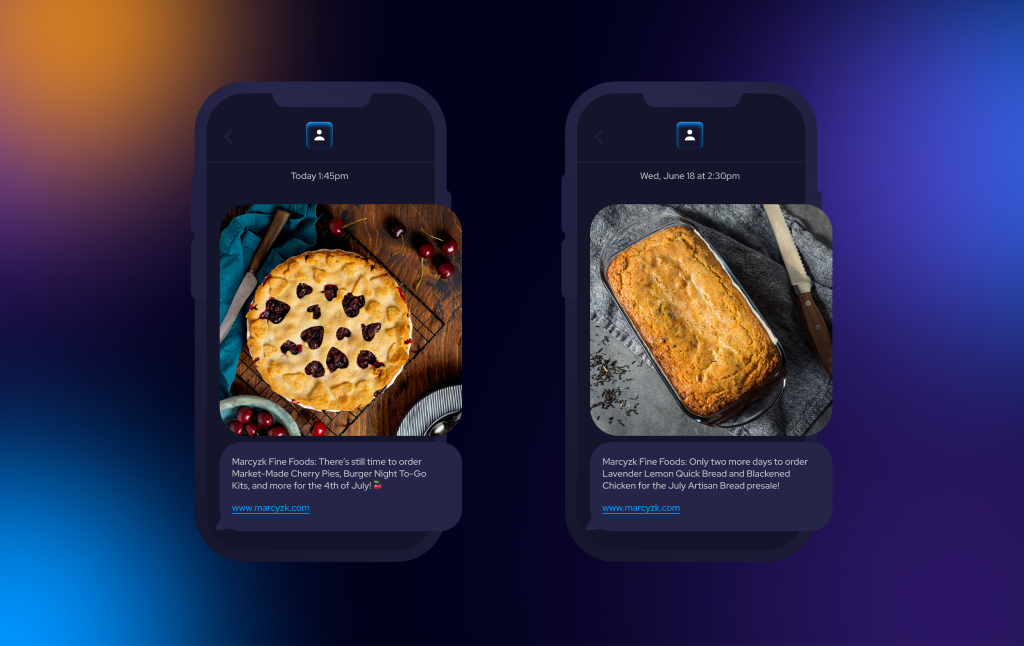
- Marczyk Fine Foods. This gourmet grocery store used SMS and MMS campaigns powered by Text-Em-All to promote holiday pie sales. The campaign drove a 30% increase in weekend sales and generated a 36x surge in pie pre-orders.
- Red Oak Sanitation. Switching from mailed reminders to SMS reminders (powered, once again, by Text-Em-All) doubled their response rates for service confirmations and billing notifications, saving thousands of dollars and improving on‑time payments.
- Simple Modern. Premium drinkware brand Simple Modern (with Recart’s help) grew its SMS list to 627,588 subscribers, generated $10.13 million via SMS, and achieved an average 77x ROI. The welcome flow alone produced $7.35 million with a 140x return, while cart‑abandonment messages recovered $260,000.
- Haute Home LA. This luxury home‑decor retailer used AI‑driven, two‑way SMS flow from TxtCart to recover 32% of abandoned checkouts, earning $40,695 in 30 days with a 35.46x ROI.
These stories demonstrate the versatility of SMS, from boosting in-store traffic to recovering online carts and streamlining recruitment. High opt-in rates and impressive ROI position SMS as a dependable channel for both short-term promotions and long-term relationship building.
Push notifications delivering results
Personalized, context-aware push notifications can yield substantial gains. Several 2025 case studies highlight their potential impact.
- Upday. With the help of Braze, this news app re‑engaged lapsed users by targeting those who hadn’t opened the app in 30 days. Personalized push alerts reactivated 528,000 users and increased overall engagement by 4.9%.
- Too Good To Go. By using Braze to match supply data (fresh food “Surprise Bags”) with user preferences, the food‑rescue app sent relevant push notifications, resulting in a 135% increase in purchases and a doubling of conversion rates.
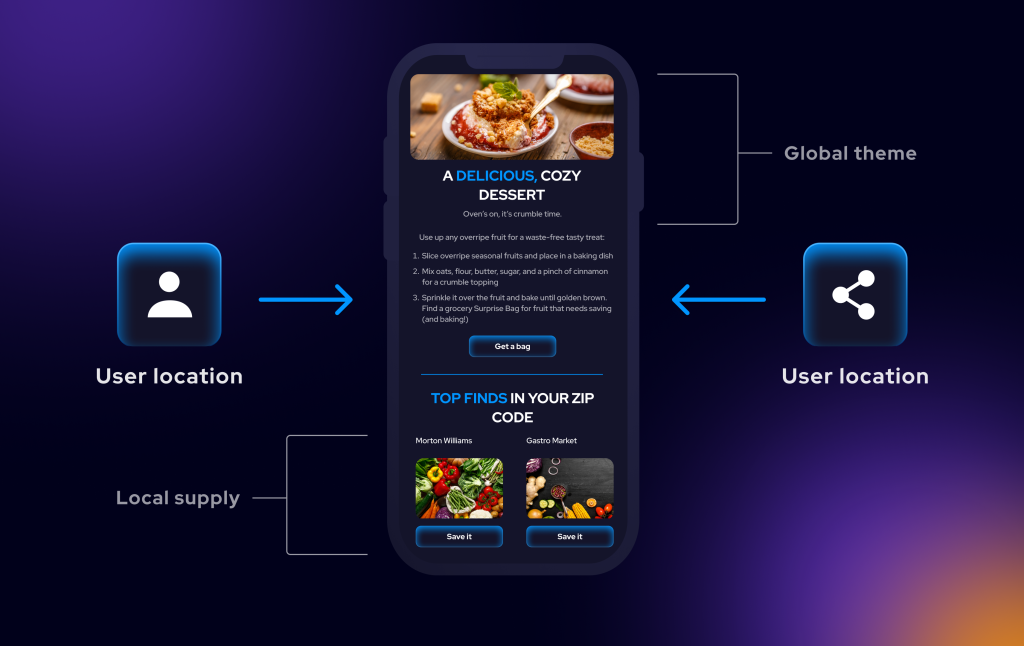
We’d say that average push-open rates tend to be low, however, well-timed and personalized notifications can generate significant revenue and re-engagement, especially when combined with rich content and effective segmentation.
Trends shaping 2026
The upcoming year will focus on deeper personalization, omnichannel strategies, and richer message formats. Research and thought leadership from 2025–2026 highlight several emerging themes.
Personalization, automation & AI
Marketers are shifting from batch campaigns to context-aware messages triggered by user behavior. Personalization should drive every push campaign, from tailored product drop alerts to timely recommendations. 85% of marketers increased their use of AI in the past year, utilizing it to optimize send times and create message variants. Additionally, 32% of marketers have identified personalization as their top priority for 2026. AI-powered, two-way SMS, like in the Haute Home LA case, will become mainstream, evolving from one-off blasts to dynamic conversations.
Richer experiences and new formats
Push notifications are set to evolve from plain text to rich mini-ads featuring images, GIFs, and interactive buttons, significantly enhancing engagement. Messages will also need to be wearable-friendly, conveying meaning succinctly for smartwatch users.
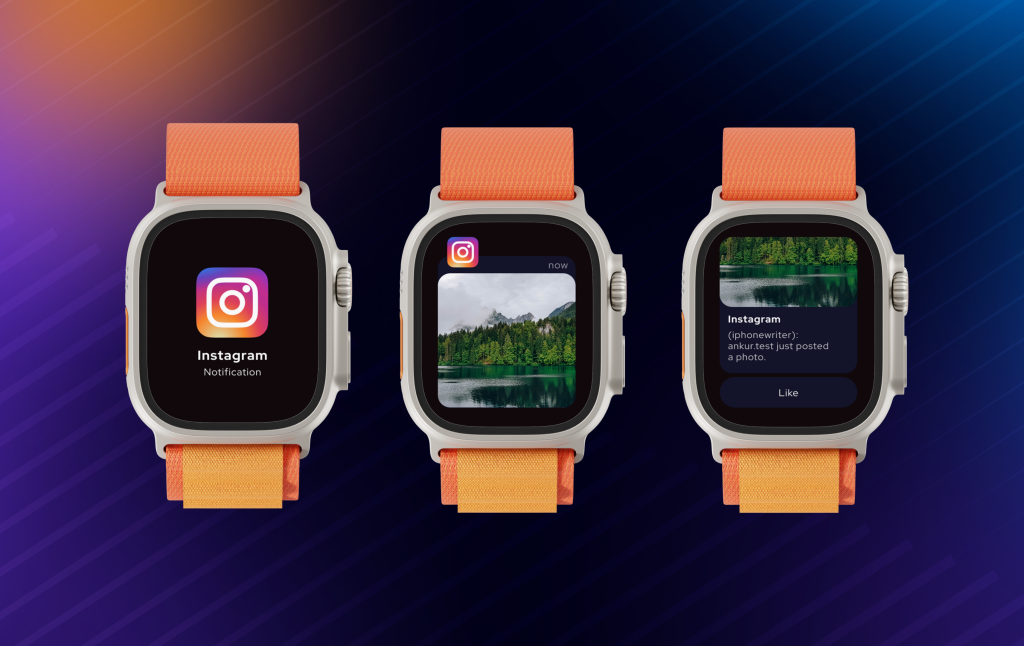
On the SMS front, the rise of MMS and RCS is expected to enable businesses to send images, conversational threads and branded links.
Conversational and community‑driven messaging
In 2026, SMS will transition from primarily pushing promotions to facilitating two-way conversations and co-created experiences. Brands will enhance SMS integration with e-commerce platforms and CRMs while exploring innovative formats like voice notes and video clips.
Additionally, non-sales push notifications, such as behind-the-scenes updates and community milestones, will help strengthen brand associations.
Omnichannel integration and trust
81% of consumers dislike having to repeat information across channels, yet only 55% of businesses have integrated their communications. The future will favor brands that integrate SMS, push notifications, email, and chat so conversations pick up where they left off. 31% of marketers cite privacy and security as their biggest challenge, so transparent consent processes and frequency caps will be critical.
81% of consumers hate repeating the same information across channels (to be honest, we’re pretty sure the number is closer to 99,9%), yet only 55% of businesses integrate their communications and CRM data. Brands that seamlessly integrate SMS, push notifications, email, and chat, allowing conversations to continue where they left off, are rewarded with referrals, repeat clients and revenue growth.
Untapped potential
Only 4.5% of seven‑figure ecommerce companies have a mobile app, leaving room for innovative push-strategy initiatives. Meanwhile, global SMS adoption continues to rise, and the market is forecast to exceed $38 billion by 2030.
Why SMS has great engagement
Visibility and immediacy
SMS commands attention, with nearly every message being opened. Its immediacy makes it ideal for urgent alerts, such as two-factor authentication codes, fraud alerts, and time-sensitive deals.
Personal and interactive
SMS feels personal because it arrives directly within a conversation thread. Marketers can easily send direct links to landing pages and maintain one-on-one conversation chains with users. Two-way communication facilitates confirmations (e.g., replying “YES” to confirm an appointment), quick customer support, and interactive campaigns.
Trusted and accessible everywhere
One of SMS’s biggest advantages is its universality. Because messages travel over cellular networks, they work on any mobile phone, including basic feature phones, and do not require an app or internet connection. Easify emphasizes that this reliability is why appointment reminders sent via SMS dramatically reduced no‑shows at a local dentist’s office and why travellers rely on SMS for flight delay alerts. Denver Health’s case study, published in Forbes, showed that sending appointment reminders via SMS increased attendance from 66% to 73%.
One of SMS’s greatest advantages is its universality. Messages travel over cellular networks, making them accessible on any mobile phone, including basic feature phones, without requiring an app or internet connection. Easify highlights that this reliability led to a significant reduction in no-shows for appointment reminders sent via SMS at a local dentist’s office. Additionally, this case study from Denver Health, published in Forbes, demonstrated that sending appointment reminders via SMS increased attendance from 66% to 73%.
Consider the drawbacks
Despite its strengths, SMS has limitations. Each message is technically capped at 160 characters, so longer messages incur additional charges due to their chunking and segmentation. Marketers must also navigate regulatory hurdles, such as GDPR and TCPA, and secure explicit opt-in consent. Overuse of SMS can feel intrusive, leading to opt-outs, while per-message pricing can make large-scale campaigns costly.
When push notifications work best
Cost‑effective and feature‑rich
Once you have an app or web-push infrastructure, push notifications are virtually free to send. They support rich media, including images, GIFs, videos, and interactive buttons, allowing for more engaging storytelling than plain text. Additionally, push notifications can display your brand’s logo on the user’s screen, enhancing brand recognition and increasing open rates by 56%.
Flexible and targeted
Push notifications can be triggered by in-app behaviors (such as completing a level in a game) or by real-world contexts, like a restaurant app offering discounts when a user walks nearby through geofencing.
Engagement potential
While average push open rates are low, around 4% for generic campaigns, contextual campaigns achieve a higher engagement rate of 14%. Push notifications are read 6.4 hours faster than emails and tend to have higher opt-in rates compared to email newsletters. Users can also customize their preferences or turn off notifications entirely, making push campaigns feel less intrusive.
Recognize the limitations
Push notifications depend on users installing your app or opting in to web push notifications, which limits their reach. Average open rates are significantly lower than those of SMS, and messages can easily be swiped away without being read. Overuse may annoy users, leading them to disable notifications or uninstall the app. Furthermore, push notifications require internet connectivity and won’t be delivered if the user’s device is offline.
Choosing the right channel
When to use SMS
- Critical alerts and confirmations. Use SMS for two-factor authentication codes, fraud alerts, delivery confirmations, and other time-sensitive updates. Text messages cut through the noise and arrive reliably, even without internet connectivity.
- Universal coverage. SMS reaches individuals who haven’t installed your app or have limited internet access, ensuring your message gets delivered.
- Two‑way conversations. Appointment reminders, order updates, and support queries benefit from SMS’s reply functionality, enhancing user interaction.
When to use push notifications
- In‑app engagement. Push notifications effectively drive users back into your app for product updates, feature announcements, personalized offers, and other reminders.
- High frequency at low cost. Once the infrastructure is established, push notifications are free to send at scale, making them ideal for frequent, lightweight communications.
- Rich, context‑aware experiences. Push supports images, GIFs, buttons, and location-based targeting to deliver immersive, contextually relevant messages.
Combine both for omnichannel impact
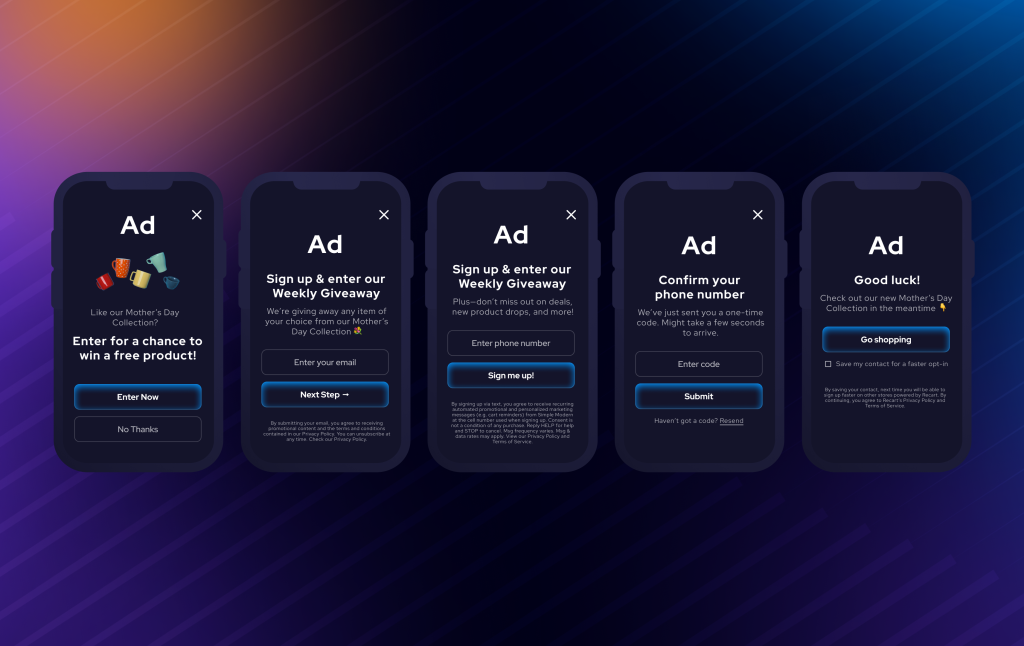
Many marketers leverage SMS and push notifications together in complementary sequences. For instance, a retailer might send a push notification about a flash sale to app users. If a user doesn’t open it, an SMS with a direct link can follow to ensure the offer isn’t missed. While push open rates are generally low, 28% of users who engage with push notifications go on to make a purchase. By pairing this with SMS’s high open rate, brands can maximize both reach and conversion.
The evidence from 2025 and early 2026 is clear as day: well-executed SMS and push campaigns have a real business impact.
Text messaging is the most reliable way to reach a wide audience, with open rates around 98% and response rates about 45%, often yielding returns over 7,000%. Case studies from Simple Modern, boohooMAN, and Marczyk Fine Foods show that effective SMS campaigns can generate millions in revenue, increase in-store traffic, and even help with recruitment.
Web and app push notifications are also getting better. When messages fit user behavior, they can bring back people who aren’t active and drive noticeable growth.
Looking ahead to 2026, the focus will be on creating better experiences rather than just choosing channels. Consumers will want messages that feel personal and come at the right time on the right device. Tools like AI, rich media, and interactive channels like RCS and WhatsApp will help. Marketers need to build trust by getting clear consent, respecting privacy, and offering value in every message.
SMS and push notifications each have their unique strengths. Use SMS for important updates, two-way conversations, and wide reach. Use push notifications to enhance the app experience with timely messages and engaging content. Combining these channels with email and in-app messaging can create smooth experiences that meet customers where they are. By investing in data, personalization, and cohesive strategies now, marketers can benefit from 2026’s trends and deliver messages that matter.
Elevate your marketing with Massiva
Looking to enhance your SMS marketing strategy? Massiva is a powerful CPaaS (Communications Platform as a Service) designed to simplify and supercharge your messaging campaigns.
Why choose Massiva?
- Easy integration. Quickly connect Massiva to your existing systems for seamless communication.
- Robust SMS capabilities. Send personalized, high-impact SMS messages that reach your audience instantly.
- High open rates. Benefit from the proven effectiveness of SMS marketing with nearly 98% open rates.
- Two-way communication. Engage in real conversations with your customers, enhancing support and building relationships.
- Data-driven insights. Analyze performance and optimize campaigns with powerful analytics tools.
With Massiva, you can turn SMS into a massive game-changer for your marketing efforts.
Elevate your customer engagement and drive conversions with targeted, impactful messaging.Discover how Massiva can transform your SMS marketing today!